
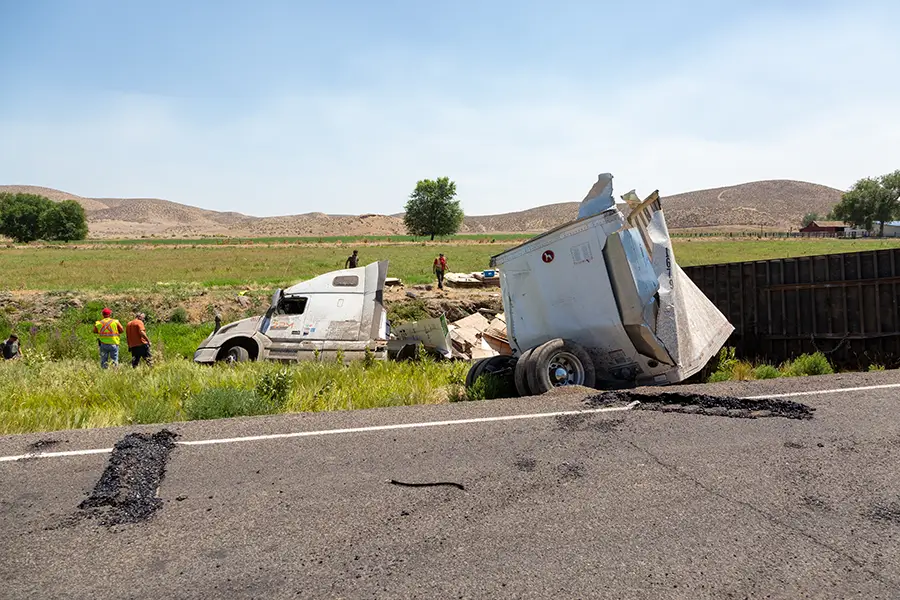
Truck Driver Negligence is a serious problem on highways and local roads, often resulting in catastrophic injuries and financial loss. Commercial trucks are much heavier than passenger vehicles, which means even minor mistakes can have devastating outcomes for drivers, passengers, and pedestrians. Understanding how negligence and liability work helps injured victims take effective legal action.
Understanding Truck Driver Negligence
In legal terms, negligence occurs when a truck driver fails to exercise reasonable care and that failure directly causes an accident. Examples include distracted driving, driving while impaired, or disobeying traffic laws that are designed to keep everyone safe. When these behaviors result in a collision, they can form the basis for a civil claim.
Federal regulations exist to govern commercial motor vehicle safety, and violations of those rules can strengthen negligence claims. Specialized sources on truck accident law explain how regulatory breaches often simplify the process of proving fault in complex cases. These standards play an important role in assessing whether a driver met the required duty of care in a crash involving a commercial vehicle.
Common Causes of Truck Accidents
Many truck accidents arise from predictable sources tied to driver conduct or company practices. One of the most frequent causes is driver fatigue, which dulls reaction times and weakens judgment during long hours on the road. Federal hours-of-service limits aim to reduce fatigue, and breaking those rules can be important evidence of negligence.
Speeding is another significant factor. Large trucks need more time and distance to stop, so driving too fast for conditions greatly raises the risk of a collision. In addition, improper maintenance often causes mechanical failures that lead to crashes. Faulty brakes, worn tires, or ignored warning signs can create dangerous situations capable of devastating consequences.
Improperly loaded or unsecured cargo also contributes to many serious truck crashes. Containers that shift or become unbalanced can destabilize the truck and increase rollover risks, which often leads to severe harm for anyone nearby.
Why Crash Data Matters
Authoritative statistics on commercial truck accidents provide valuable context about the risks and outcomes involved in large-vehicle collisions. National crash reports track fatalities and injury patterns, offering insight into how often and under what conditions these crashes occur. This kind of data helps attorneys and claimants build stronger cases by referencing documented patterns in truck crash causation.
Several safety research organizations analyze large-truck performance and risk factors, which are often cited in legal proceedings. These insights explain why carriers and drivers must adhere to safety regulations if they want to reduce the likelihood of catastrophic collisions.
Identifying Liability in Trucking Accidents
Liability in truck accidents often involves more than just the driver. Employers and trucking companies can be held legally responsible when they fail to hire competent drivers, provide proper training, enforce safety rules, or perform required maintenance on their vehicles. Such failures reflect negligence at the organizational level.
Carrier liability can arise under principles that hold employers accountable for actions taken by their drivers during employment. This legal concept means that victims don’t need to prove company malice, only that the driver was acting in the scope of employment when the negligent conduct occurred.
Manufacturers can also face liability when defective parts—such as brakes, tires, or steering components—cause accidents. Product-liability claims often hinge on design defects, manufacturing flaws, or inadequate warnings that make the equipment unsafe.
Cargo brokers, shippers, and loaders may share responsibility when improper loading contributes to a wreck. Safety researchers outline how load distribution affects truck stability, which can be useful evidence when determining fault in cases where shifting freight led to the crash. Insurance Institute for Highway Safety research on large-truck risks.
How to Pursue a Claim
Starting a claim after a truck accident requires careful action. Begin by preserving all evidence from the scene when possible. Photographs of vehicle positions, road conditions, and visible injuries create a visual record that supports your claim.
Witness statements and the official police report also help demonstrate fault. Electronic logging devices (ELDs) and driver logs often reveal critical data on hours driven, speed, and regulatory compliance. Attorneys specializing in truck accidents routinely subpoena those records early in the investigation.
Consulting with an attorney experienced in commercial-vehicle claims is essential. These lawyers know how to navigate complex federal rules and insurance structures to build a compelling case. For an example of how attorneys approach compensation recovery and claim strategy, see the site’s guide on pursuing truck accident compensation. Truck Accident Claims: How to Get Fair Compensation.
Documenting Your Case
Thorough documentation strengthens any personal injury claim. Collect all medical records related to your injuries, including test results, treatment notes, and billing statements. These form the basis of your economic damages, which include actual costs incurred due to the crash.
Track lost wages and any future earnings you may forfeit because of lasting injuries. Employer statements and pay records support these claims. In addition, maintain a daily journal that describes pain levels, emotional impacts, and lifestyle changes since the accident occurred. This narrative helps explain the human experience behind the numbers.
Digital evidence, such as dashboard camera footage or GPS logs, also proves powerful in many truck cases. Modern litigation often depends on data preserved shortly after the accident to demonstrate negligence clearly.
The Role of Insurance Companies
Insurance companies play a central role in truck accident claims. Commercial carriers carry higher liability limits than most personal auto policies, which can be vital for victims with severe injuries. Still, insurers often fight claims aggressively to reduce payouts.
Insurance adjusters may dispute fault, minimize injuries, or challenge future care needs. Federal consumer guidance explains how insurers handle claims in complex scenarios. Consumer Financial Protection Bureau guidance on insurance information practices. Lawyers work to counter these tactics by presenting solid evidence and challenging insurer positions with expert opinions and documented proof.
Coordinating claims across multiple insurance policies is often essential when multiple parties may share liability. Experienced attorneys know how to identify and leverage every available coverage to maximize recovery.
Taking Action Against Negligence
Victims of Truck Driver Negligence must act promptly to preserve their legal rights. Statutes of limitations set deadlines for filing personal injury lawsuits, and missing those deadlines often means losing the right to compensation entirely. Resources about filing deadlines for personal injury cases explain how timing affects your ability to sue. Common Mistakes to Avoid After a Car Accident highlights why prompt action is critical to preserving evidence and claims.
Early legal involvement also helps ensure critical evidence—such as witness memories and electronic data—is preserved before it’s lost or overwritten. Taking timely action improves your ability to secure fair compensation for your injuries.
Beyond securing financial recovery, holding negligent drivers and companies accountable also encourages safer practices. Court rulings and settlements can push carriers to change hiring, training, and maintenance policies, which helps protect all road users.
Practical Steps After a Crash
After ensuring safety and getting medical care, document the scene thoroughly. Exchange contact and insurance information with all involved parties. Ask for the responding officer’s name and report number, and request a copy of the official crash report.
Avoid giving recorded statements to insurers before speaking with an attorney. Early statements may be used to minimize liability or dispute injuries. Guides on effective post-accident actions clarify what not to do in the hours and days following a wreck. Truck Accident Injuries: Types and Compensation Options explains common injury outcomes and how they affect compensation claims.
When to Get Professional Help
If you or a loved one faces hospitalization, surgery, long-term care, or complex liability with multiple defendants, contact an attorney right away. Legal counsel can coordinate expert testimony, preserve perishable evidence, and build a strong case strategy on your behalf.
Attorneys also help quantify future medical needs and lost earning capacity, ensuring your claim accounts for both present and future costs. Assistance in navigating insurance negotiations protects you from lowball settlements and unfair tactics.
Final Thoughts
Truck Driver Negligence causes serious physical, emotional, and financial harm, but the legal system provides tools to pursue compensation and accountability. By preserving evidence, consulting experienced counsel, and acting quickly, victims improve their chances of a fair outcome.
If you or someone you care about suffered injuries in a truck collision, document everything carefully and seek legal advice as soon as possible. Relevant expert guidance and authoritative safety research help explain the risks and responsibilities involved. Taking informed action protects your rights and helps make our roads safer for everyone.


