
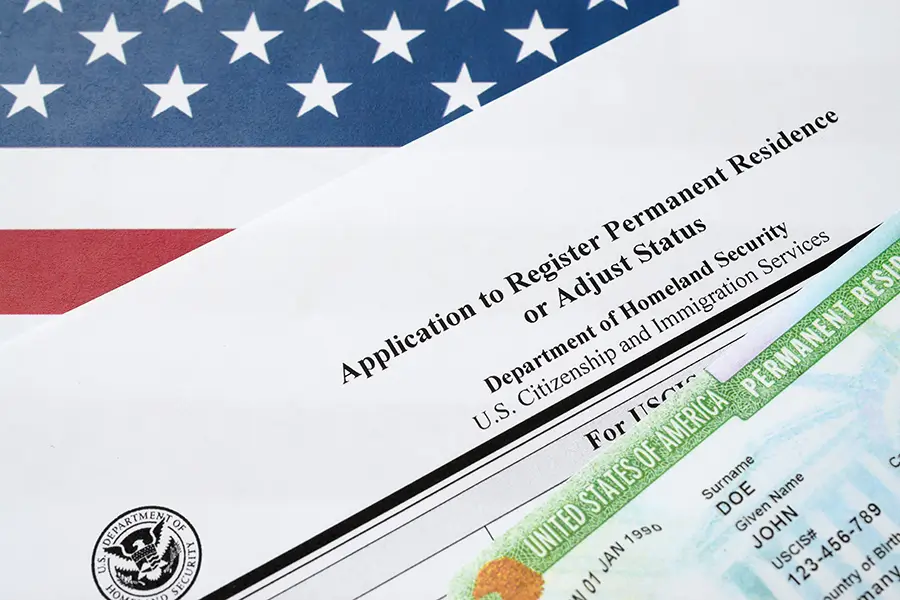
Applying for a green card can feel overwhelming for anyone unfamiliar with the U.S. immigration system. This guide explains the essential steps, eligibility rules, and documents you will need. Follow each section carefully to reduce mistakes and improve your chances of success.
Understanding Green Card Eligibility
The first step is to determine which eligibility category fits your situation. You can typically apply through family, employment, special immigrant status, or asylum and refugee pathways. Each route has distinct requirements and timelines that matter for filing and processing.
Family-based petitions usually require a qualifying relative who will sponsor you. Employment routes often need a U.S. employer to petition on your behalf. Special categories and humanitarian channels follow their own procedures and documentation standards.
If you want a broader overview of immigration basics while planning your case, our article on Understanding the Basics of Immigration Law outlines visas, green cards, and common terms that help applicants avoid confusion.
Family-Based Green Card Requirements
To qualify for a family-based green card, you must prove the familial relationship that forms the basis for the petition. Sponsors commonly include spouses, parents, adult children, and sometimes siblings, depending on the sponsor’s status and preference category. The sponsor must file Form I-130, Petition for Alien Relative, and attach evidence such as marriage certificates or birth records.
Immediate relatives of U.S. citizens have faster paths in many cases because they are not subject to the same annual numerical limits. Other family preference categories can involve long waiting periods, and those wait times show up monthly in the Department of State’s Visa Bulletin, which applicants should monitor closely. The Visa Bulletin explains final action dates and filing charts that determine when immigrant numbers become available.
Employment-Based Green Card Requirements
Employment-based green cards normally require a job offer and employer sponsorship. Employers file Form I-140, Immigrant Petition for Alien Worker, on behalf of the foreign national. Many employment petitions demand a certified labor certification, often called PERM, to show that no qualified U.S. worker is available for the position.
The Department of Labor manages the PERM program and publishes guidance on prevailing wage determinations and recruitment requirements. If your case involves a PERM process, plan for recruitment steps and potential audits that add processing time. For practical context about how immigration work fits into solo or small practices, consult our post on Top Practice Areas for Solo Lawyers.
Gathering Necessary Documentation
Documentation proves eligibility and supports every claim in your application. Typical documents include identity papers, civil records, employment letters, and any documents that specifically address the visa category you selected. Certified translations are required for documents not in English.
Organize your paperwork with a checklist and keep clear copies of everything you submit. Missing evidence triggers Requests for Evidence (RFEs) that delay decisions and add stress. Preparing documents early prevents last-minute scrambling and reduces the chance of inconsistent answers during an interview.
Essential Forms to Prepare
Several forms are central to most green card pathways. For applicants adjusting status in the United States, Form I-485, Application to Register Permanent Residence or Adjust Status, is mandatory when filing for residency. Family-based petitions begin with Form I-130, while employment-based cases typically require Form I-140.
Other common filings include Form I-864, Affidavit of Support, which demonstrates a sponsor’s financial ability to support certain applicants. The U.S. Citizenship and Immigration Services maintains current form pages and filing instructions that applicants should consult before submitting anything. Reading official instructions reduces avoidable errors and identifies where fees and mailing addresses vary by category.
Common Pitfalls to Avoid
One of the most frequent mistakes is submitting incomplete forms or missing documents. Even small inconsistencies in dates or names can prompt RFEs or denials. Double-check every entry and match names and dates to your supporting evidence.
Misunderstanding deadlines creates serious problems. Some filings have strict windows tied to visa availability or application priority dates. Use reliable government sources to track deadlines and processing timelines so you do not miss a critical filing opportunity.
Another trap is relying solely on informal forums for legal strategy. Community advice can be helpful for lived experience, but it cannot replace official guidance or an attorney’s review when legal issues are complex. For related practice-management advice that helps attorneys avoid administrative errors, our article on Effective Time Management for Lawyers offers useful systems for handling voluminous paperwork.
Preparing for the Interview
Many green card applications culminate in an interview with a USCIS officer or a consular officer overseas. Preparation begins with a careful review of your application and supporting evidence. You should bring originals of key documents and be ready to explain any points that may seem unclear on paper.
Answer questions honestly and concisely. Officers evaluate credibility, eligibility, and intent, so consistent and straightforward responses help your case. If your file includes unusual facts or discretionary relief, consider legal counsel to prepare you for potential lines of questioning.
What to Expect During the Interview
Interview topics commonly include your relationship to a sponsor, employment history, immigration history, and any questions about documentation. The officer may request updated records or further proof of eligibility. If you receive a follow-up request, respond quickly and provide precise evidence tied to the questions asked.
Waiting for Approval
After you complete the interview, a waiting period follows that can test your patience. Processing times differ by form type, filing location, and current workloads at U.S. Citizenship and Immigration Services. Use the official USCIS processing time tools to check averages for Form I-485 and related filings.
Keep copies of every submission and track correspondence carefully. Err on the side of promptness if agencies request additional material. Filing receipts and online case status remain your best sources for tracking progress during this phase.
Staying Informed
Immigration law and policy change through legislation, administrative rulemaking, and court decisions. These shifts can influence eligibility rules, processing priorities, and available relief. Follow authoritative federal sites such as the USCIS forms page and EOIR for official changes and court-related updates.
In addition to government pages, policy research organizations and professional associations publish analysis that helps interpret the practical impact of changes. Our analysis on Navigating the Complex Landscape of Immigration Law explores how policy shifts affect case strategy and client counseling.
Additional Resources and Practical Tips
For labor certification and employer-driven filings, consult the Department of Labor’s PERM guidance and the Foreign Labor Application Gateway. Those resources explain recruitment steps and prevailing wage processes employers must follow before filing an I-140 in many employment-based cases. Monitoring case status tools from DOL helps employers and applicants anticipate audits or processing delays.
For applicants tracking visa availability and priority dates, the Department of State’s Visa Bulletin is the authoritative source. The bulletin shows which priority dates are current and which visa categories are retrogressed. Understanding those dates determines when you may file adjustment or immigrant visa applications.
If your case touches on removal proceedings or appellate procedures, the Executive Office for Immigration Review publishes operational updates and case information systems that matter to individuals in court. Knowing where to find EOIR forms and hearing procedures prevents surprises when litigation or relief requests become relevant.
Finally, immigration matters sometimes overlap with other legal fields such as healthcare or employment law. Our article on The Intersection of Health Law and Immigration Policies discusses how benefits, access to care, and regulatory requirements can affect certain applicants.
Final Thoughts
Successfully navigating the green card process takes planning, careful documentation, and steady attention to official requirements. Stay organized, follow government instructions, and verify filing addresses and fee amounts before you submit. When cases involve complex facts, legal counsel can provide strategy and help avoid costly delays.
Use official sources like the USCIS I-485 page, the USCIS forms index, the Department of State Visa Bulletin, the Department of Labor PERM guidance, and the Executive Office for Immigration Review for authoritative updates and filing details. Combining accurate information with organized preparation will give you the best chance of achieving permanent residency.


