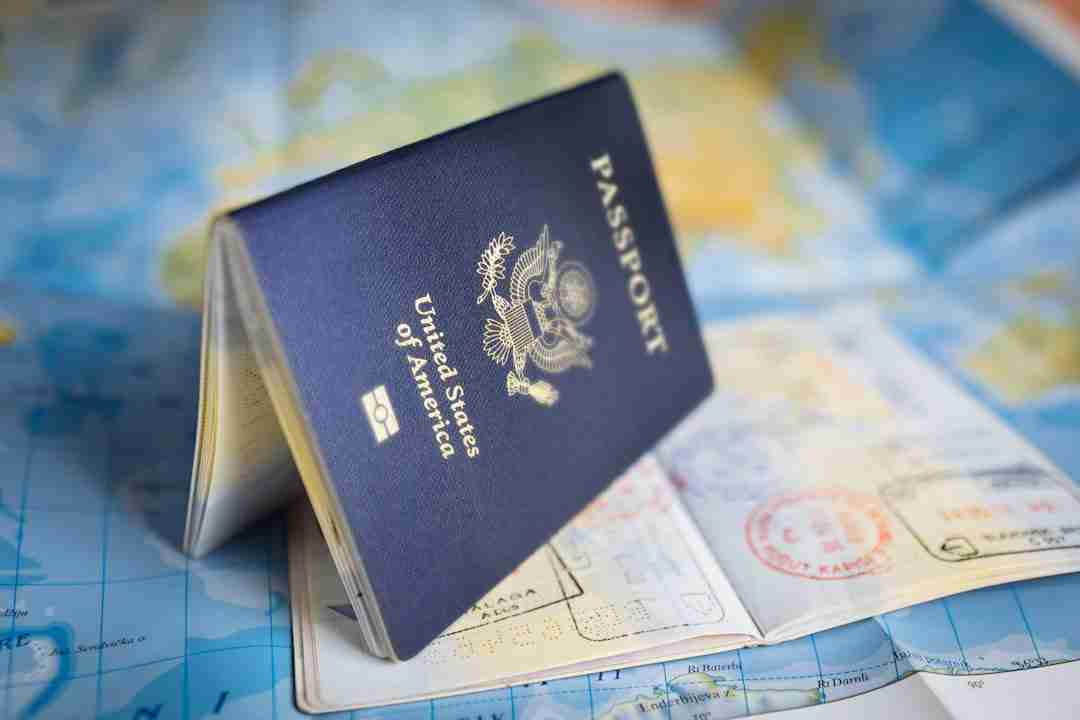
Moving to a new country is one of the biggest decisions a person can make. It often carries a mix of excitement, hope, and uncertainty. New opportunities wait on the other side, but so does a maze of paperwork, deadlines, and legal requirements. For many people, the hardest part isn’t packing up their life. It’s figuring out which visa actually fits their situation.
This guide breaks down the major categories of immigration visas, including work, family, student, and refugee visas. Along the way, we’ll share practical tips so you can approach the process with more confidence and less confusion. Whether you’re chasing a job offer, reuniting with relatives, pursuing a degree, or seeking safety, understanding your options is the first real step forward.
Understanding Work Visas
Work visas exist for people who want to relocate for employment. In most cases, applicants need a confirmed job offer from a company in the destination country before they can even apply. Because requirements vary so widely by industry and country, it helps to research your specific category early rather than assuming one visa type fits every situation. Below are two of the most common paths.
H-1B Visa
The H-1B visa allows U.S. companies to hire foreign workers for specialty occupations. To qualify, applicants generally need a bachelor’s degree or an equivalent credential in a relevant field. Consequently, this visa is especially popular among professionals in technology, engineering, and healthcare. Demand for H-1B visas consistently outpaces the annual cap, so timing and preparation matter enormously. According to U.S. Citizenship and Immigration Services, employers must file a petition on the worker’s behalf, and selection often happens through a lottery system when demand exceeds available slots. If you’re weighing this option against alternatives like the L-1 or O-1, a detailed breakdown of work visas explained for employers and foreign nationals can help clarify which category realistically fits your background and goals.
Temporary Work Visas
Many countries also offer temporary work visas for industries such as agriculture, hospitality, and seasonal labor. These visas are usually time-limited, and they don’t always lead to permanent residency. Still, they provide a valuable pathway for people who want international work experience without committing to a permanent move right away. Because rules differ so much between countries and even between industries, it’s worth double-checking renewal policies before you accept an offer. Some seasonal programs allow reentry in future years, while others require a completely fresh application each time.
Family-Based Immigration
Family reunification sits at the center of immigration policy in many countries. Family-based visas let citizens and lawful permanent residents bring their relatives to live with them. For many applicants, this is the most emotionally significant category, since it directly affects how quickly loved ones can be reunited.
Immediate Relative Visas
In the United States, immediate relative visas cover spouses, children, and parents of U.S. citizens. These visas aren’t subject to annual caps, so they tend to move faster than other family categories. As a result, they’re often the quickest route toward reunification for close family members. Processing times still vary based on individual circumstances, but the absence of a numerical limit removes one major bottleneck that other applicants regularly face.
Family Preference Visas
Family preference visas apply to more distant relatives, such as siblings and adult children of U.S. citizens or lawful permanent residents. Unlike immediate relative visas, though, these categories face annual limitations. That cap can translate into significantly longer wait times, sometimes stretching for years depending on the applicant’s country of origin and specific family relationship. If you’re sponsoring a relative under this category, it helps to understand exactly how U.S. citizens and lawful permanent residents can sponsor family members, since the process for reuniting loved ones across borders involves several distinct steps and eligibility rules that are easy to misunderstand without guidance.
Student Visas
Student visas open the door for people who want to study abroad. They allow individuals to enroll in educational institutions outside their home country, often as a stepping stone toward broader career or immigration goals.
F-1 Visa
The F-1 visa is the standard non-immigrant student visa in the United States. It allows international students to pursue academic studies at accredited institutions. To qualify, students must enroll full-time and maintain a complete course load throughout their program. Many F-1 holders also become eligible for Optional Practical Training after graduation, which lets them gain hands-on work experience directly related to their field of study.
J-1 Visa
The J-1 visa serves a different purpose. It’s designed for exchange visitors, including students, scholars, and interns who want to build cross-cultural connections. Beyond academic study, this visa promotes broader cultural exchange and allows participants to gain practical work experience while they learn. Some J-1 programs come with a home-residency requirement afterward, so it’s worth confirming that detail before you commit to a specific exchange program.
Refugee and Asylum Visas
Refugee and asylum visas serve a very different purpose than the categories above. They exist for people fleeing persecution, violence, or conflict in their home countries. Rather than pursuing opportunity, applicants in this category are usually seeking basic safety.
Refugee Visa
A refugee visa is available to individuals who can’t return home because of a well-founded fear of persecution. This process typically involves extensive vetting, and it can take several months or even years to complete. The UNHCR notes that refugee status is granted based on internationally recognized criteria tied to race, religion, nationality, political opinion, or membership in a particular social group. Because the vetting process is so thorough, applicants often benefit from working with organizations experienced in refugee resettlement rather than navigating the system entirely alone.
Asylum Status
Asylum status differs slightly from refugee status, mainly in terms of location. It’s granted to individuals who are already present in the host country and who meet the same underlying criteria as refugees. Once granted, asylees can apply for permanent residency after one year. This distinction matters because it changes where and how someone applies, even though the underlying protection is fundamentally similar.
Tips for the Application Process
Regardless of which visa category applies to your situation, the application process generally follows a similar rhythm. Keeping these steps in mind can help you avoid unnecessary delays.
- Research thoroughly. Understand the specific requirements and eligibility criteria for your visa type before you start gathering documents.
- Organize your documentation. Collect proof of employment, family relationships, or educational enrollment early, since missing paperwork is one of the most common causes of delay.
- Consider legal assistance. An immigration attorney can help you navigate complex regulations and can meaningfully improve your chances of approval, especially in cases involving prior denials or unusual circumstances.
- Stay patient. Immigration processes can take a long time. Staying organized throughout the wait makes the eventual outcome much easier to manage.
With the right information and preparation, understanding the various visa categories becomes far less intimidating. Whether you’re pursuing new opportunities through work, reuniting with family, studying abroad, or seeking refuge from danger, the journey starts with knowledge. From there, determination and careful planning can carry you the rest of the way.