
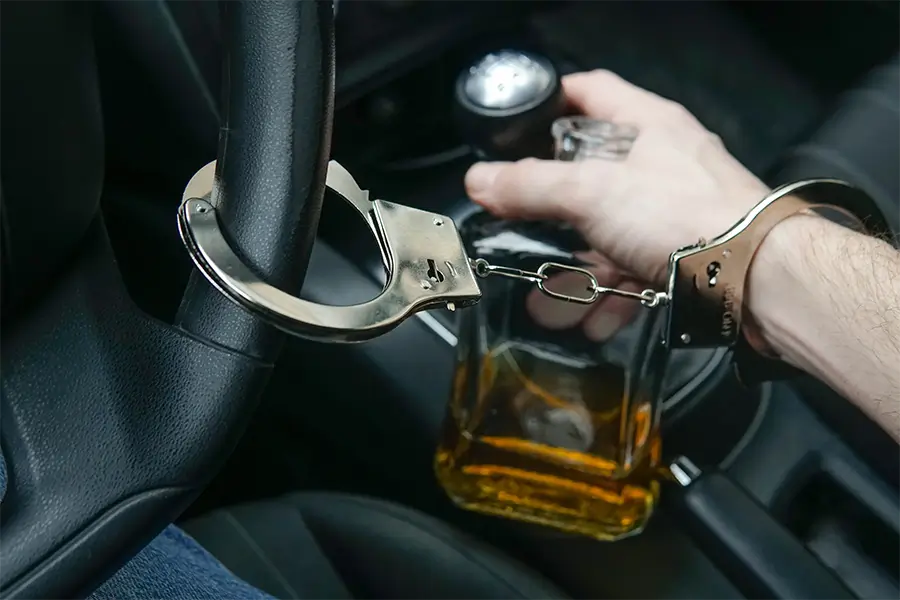
Driving under the influence is a serious offense that can lead to steep fines, a suspended license, higher insurance costs, and even jail time. It can also create lasting stress for families, employers, and everyone else on the road. A solid understanding of what leads to DUI arrests is one of the best ways to avoid a mistake that can change your future.
This topic is also closely tied to knowing the law itself. A helpful starting point is a clear overview of DUI laws and penalties, because the rules can vary from state to state. Once you understand the basics, it becomes easier to make safer decisions before you ever get behind the wheel.
The most common DUI situations usually involve alcohol, medication, drugs, distraction, and poor judgment. Each one can affect driving in different ways, but they all raise the risk of a traffic stop, an arrest, or a crash. The following sections break down these scenarios and offer practical steps that can help you stay safe and avoid legal trouble.
1. Alcohol Consumption and Impairment
The most common cause of DUI arrests is alcohol use. Many drivers assume they are fine to drive after only a few drinks, but alcohol can affect judgment, coordination, focus, and reaction time much sooner than people expect. Even when someone feels calm and in control, their driving skills may already be slipping.
In the United States, the legal blood alcohol concentration limit for most drivers is 0.08%, and the National Highway Traffic Safety Administration’s drunk driving guidance explains that crash risk rises sharply as BAC increases. That does not mean a driver with a lower BAC is safe. Impairment can begin below the legal limit, especially if a person is tired, inexperienced, or combining alcohol with other substances.
Alcohol-related DUI arrests often happen after social events, dinners, celebrations, or casual nights out. The problem is usually not a single bad decision. It is the chain of choices that comes before the drive home. Planning ahead matters because it removes the temptation to convince yourself that “just this once” will be fine.
Tips to Avoid Alcohol-Related DUIs
- Designate a driver: Choose one person who will stay sober and handle the ride home. A clear plan works better than trying to decide later.
- Use rideshare services: A rideshare app can be a simple backup when you do not want to risk driving after drinking.
- Plan ahead: Decide how you will get home before the first drink is poured. That one step can prevent an impulsive mistake.
It also helps to be honest with yourself about timing. Coffee, food, cold air, or a short nap do not erase alcohol impairment. If you have consumed enough to feel uncertain, the safest choice is not to drive. That habit protects your license, but it also protects everyone else sharing the road.
2. Prescription and Over-the-Counter Medications
Medication can create DUI risk even when a driver has not consumed alcohol or illegal drugs. Some prescription medications and over-the-counter products can cause drowsiness, dizziness, slowed thinking, blurred vision, or delayed reaction time. That means a person can become unsafe to drive without realizing how impaired they have become.
The FDA’s guidance on medicines and driving warns that many common medications can affect driving ability. This includes some sleep aids, anxiety medications, muscle relaxants, pain relievers, and other products that may seem routine. A label that says “may cause drowsiness” should always be taken seriously, especially if the medication is new or being taken in a different dose.
Medication-related impairment can be especially dangerous because drivers often assume legal use means safe use. That is not always true. A medication can be prescribed by a doctor and still interfere with alertness behind the wheel. For that reason, every new prescription should be treated as a possible driving issue until you know how it affects you.
Medication Safety Tips
- Consult your doctor: Ask about side effects, timing, and whether the medication can affect your ability to drive.
- Read labels carefully: Over-the-counter products can still cause drowsiness, blurred vision, or slower reactions.
- Consider alternatives: If a medicine affects driving, ask whether a different option may work better for your schedule.
It is also smart to test new medications on a day when you do not need to drive. That gives you time to notice fatigue or mental fog before you are on the road. When in doubt, err on the side of caution. A single safe ride is far better than a DUI charge or a crash caused by medication impairment.
3. Drug Use
Driving under the influence of illegal drugs is another frequent reason for DUI arrests. Marijuana, cocaine, methamphetamines, and other substances can reduce coordination, slow reaction time, distort judgment, or make a driver more likely to take risks. Some drugs can also create a false sense of confidence, which can be just as dangerous as obvious impairment.
Drug-related driving cases are often more complicated than alcohol cases because impairment can look different from one person to another. Even so, the risk remains real. If a substance changes the way a person thinks, reacts, or processes information, it can make safe driving much harder. That is why the best choice is not to drive at all after using drugs, regardless of whether the substance is legal or illegal.
This issue can also overlap with broader legal questions. For readers interested in how impaired-driving cases are evaluated, this discussion of evidence in DWI defense cases shows how officers, tests, and reports can shape what happens after a stop. Even a small mistake can become a major legal issue once law enforcement becomes involved.
Staying Drug-Free on the Road
- Educate yourself: Learn how different substances can affect concentration, coordination, and decision-making.
- Seek help: If substance use is becoming a pattern, professional support can make a meaningful difference.
- Stay sober before driving: Do not get behind the wheel after using any drug, including marijuana, even if it is legal where you live.
Many people underestimate the amount of time a substance stays active in the body. The effects may last longer than expected, and residual impairment can linger into the next day. If you are unsure whether you are fully clear, do not guess. Make another transportation plan instead.
4. Distracted Driving
Distraction is often discussed as a crash risk, but it can also play a role in DUI-related stops and arrests. Texting, scrolling, making calls, changing music, eating, or turning attention toward passengers can all interfere with safe driving. In some cases, distraction can combine with alcohol or drug use, making the situation even more dangerous.
When attention is split, a driver is slower to notice traffic changes, lane drift, braking patterns, and police presence. That delay can lead to traffic violations that bring law enforcement into the picture. Once an officer observes signs of impairment, a simple distraction can quickly turn into a more serious investigation.
Distracted driving also creates a false sense of control. A person may feel that they are handling everything at once, but the brain cannot process several demanding tasks equally well. Safe driving requires steady attention, not divided focus.
Strategies to Minimize Distractions
- Put your phone away: Silence notifications and keep the device out of reach before you start driving.
- Limit passengers when possible: Extra conversation and movement can pull attention away from the road.
- Stay focused: Make driving the only task while the vehicle is moving.
If you need to make a call, send a message, or adjust navigation, pull over safely first. A few extra minutes is a small tradeoff for keeping your record clean and your attention where it belongs. Good habits in this area reduce the chance of a stop, a citation, or a crash.
5. Poor Judgment and Decision-Making
Sometimes the biggest factor behind a DUI arrest is not a single substance, but poor decision-making. People may decide to drive after a night out, ignore warning signs, or convince themselves they are “fine” when they are clearly not. That kind of judgment often happens when alcohol, drugs, stress, fatigue, or emotion clouds a person’s thinking.
Poor judgment can also show up before the night even begins. Someone may skip arranging a ride, assume they will sober up quickly, or underestimate how much they drank. By the time it is time to leave, the easiest choice is often the one that creates the most risk. That is why smart planning matters more than last-minute confidence.
The safest drivers are usually the ones who set rules before they need them. They decide in advance what they will do after drinking, after taking medication, or after any event where their judgment may be affected. That kind of structure removes ambiguity and reduces the chance of a bad decision.
Improving Decision-Making Skills
- Reflect on your choices: Pause before driving and ask whether your judgment is fully clear.
- Set personal guidelines: Create firm rules for drinking, medication, and transportation.
- Trust your instincts: If something feels off, choose a different way home.
Strong decision-making is not about perfection. It is about consistency. When a person makes safe choices again and again, those choices become habits. Over time, those habits protect the driver, passengers, and everyone else on the road.
Being aware of these common causes of DUI arrests can significantly reduce your risk of being charged. Small, thoughtful choices make a big difference, especially when alcohol, medication, drugs, distraction, or fatigue are involved. The more prepared you are, the less likely you are to end up in a situation that puts your license, finances, and freedom at risk.
It is also important to remember that an arrest does not happen in a vacuum. The evidence gathered during a stop can affect the outcome, which is why articles about evidence in DWI defense cases matter for anyone who wants to understand the broader legal process. Still, the best outcome is prevention, because avoiding the arrest in the first place is always easier than dealing with the aftermath.
Ultimately, responsible driving is about protecting yourself and the people around you. When you plan ahead, stay honest about your condition, and make safer choices before you drive, you help build a culture of awareness and respect on the road. That simple commitment keeps communities safer for everyone.


